Over the past decade, the process of drug discovery has changed dramatically.
• AI can now generate thousands of new molecules.
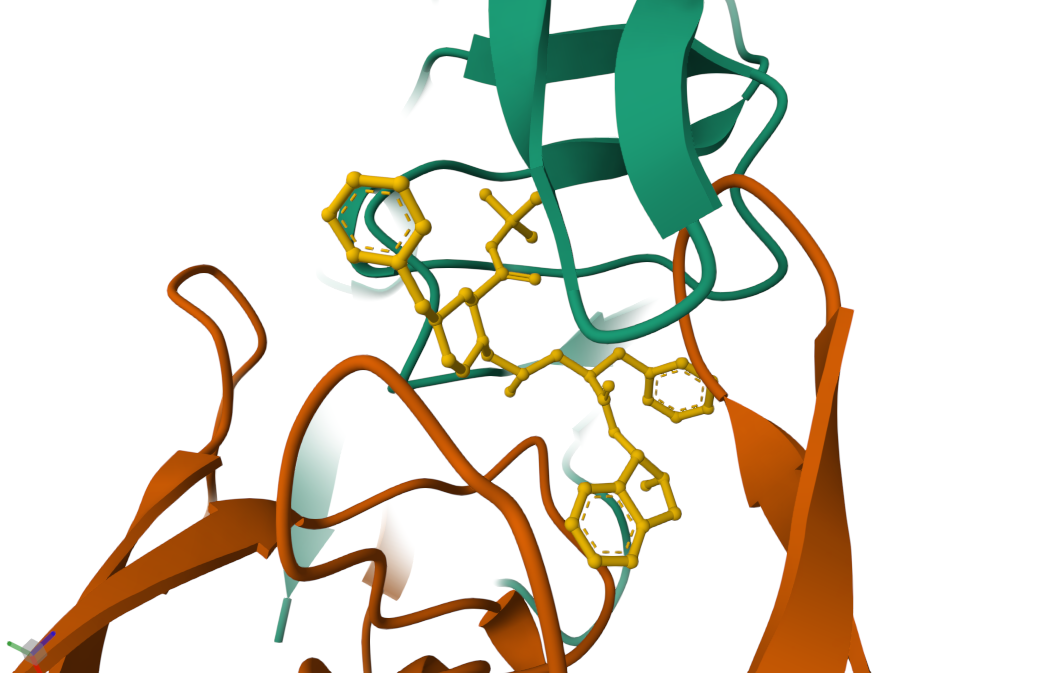
• Structural biology has accelerated target understanding.
• Screening technologies have also become faster than ever.
Yet one fundamental challenge remains unchanged: selecting the right molecule to progress.
In my experience, the most difficult decisions are rarely about identifying the most potent compound. They are about identifying the compound with the greatest probability of becoming a successful medicine.
This requires us to look beyond potency and efficacy and involves asking questions such as:
• Is the ADME profile sufficiently characterised?
• Are the key safety liabilities understood?
• Is human exposure likely to be adequate?
• Can the formulation support the intended clinical use?
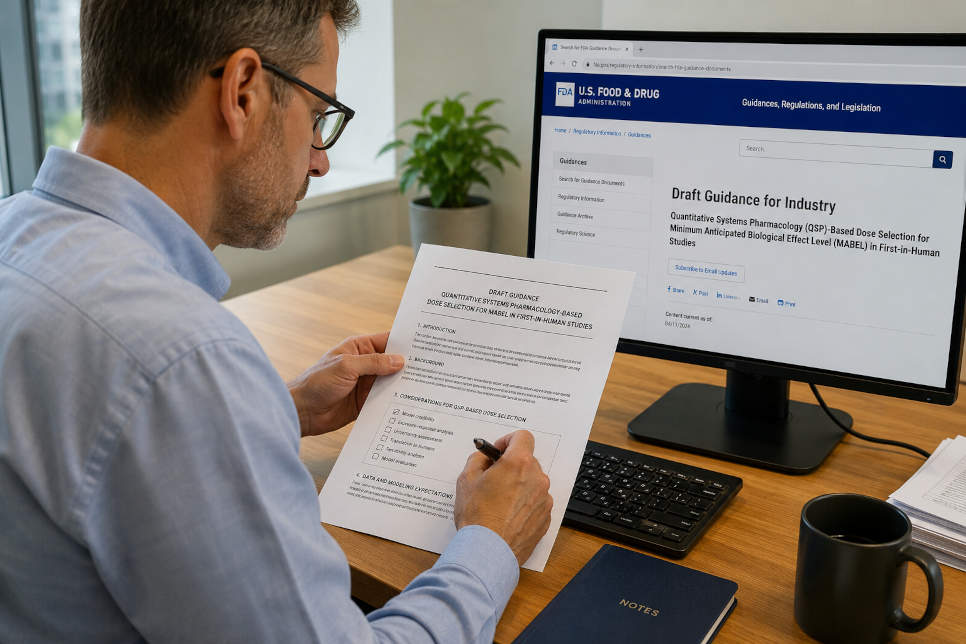
• Are we reducing the major uncertainties before entering GLP toxicology?
As the process of drug discovery becomes faster, the quality of development decisions becomes increasingly important. The cost of selecting the wrong candidate is not only measured in money and time, but also in missed opportunities for patients waiting for new therapies.
The competitive advantage lies in more than just discovering promising molècules. It lies in making better decisions about which molecules deserve to become medicines.
If your team is working on candidate selection or IND-enabling studies, I'd be happy to share ideas with you.